

















Montenegro Property Tax 2026: Annual Rates and Payment
Montenegro property tax in 2026: how the annual tax is assessed, municipal rates, second homes and land, payment dates and what owners abroad should do.
By MonteNext · Published 24 October 2026 · Updated 24 October 2026 · 7 min read
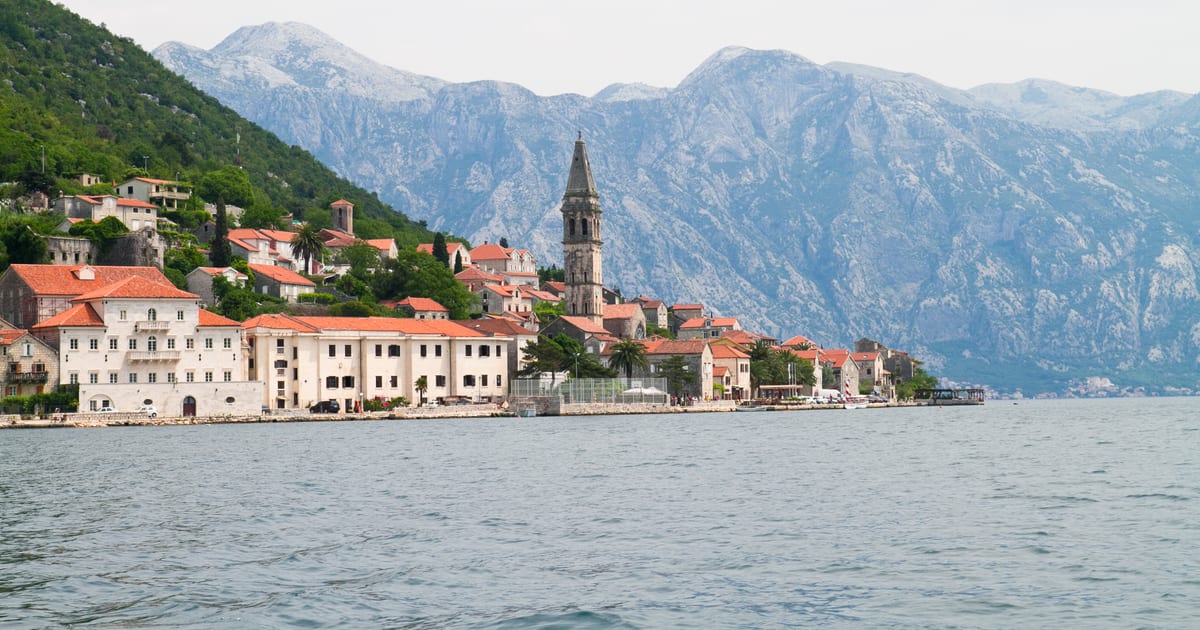
Owners who complete a purchase in Montenegro usually have the transfer tax fresh in mind and forget that a second, recurring charge starts the following January. Montenegro property tax is an annual municipal tax on real estate, assessed on an estimated market value at a rate set by the municipality within a range fixed by national law. The amounts are modest compared with Western Europe, but the rules on second homes, undeveloped land and delivery of the decision catch foreign owners every year. This guide explains how the tax works and how to manage it.
What is the annual property tax in Montenegro and who pays it?
The annual property tax is levied by each municipality on buildings, apartments, business premises and land within its territory. The taxpayer is the person or company registered as owner in the cadastre on 1 January of the tax year. Residence does not matter: a non-resident who owns a flat in Herceg Novi pays exactly as a resident does.
The municipality issues a decision each year stating the property, the estimated value, the rate and the amount due. Montenegro property tax is payable in two equal instalments, with the deadlines printed on the decision, typically one in the first half of the year and one in the second. Payment goes to the municipal account, not to the national Tax Administration.
A sale during the year does not move the liability for that year away from the 1 January owner. Buyers and sellers usually apportion it in the sale contract, and our real estate team builds that clause into every purchase we handle.
How is the taxable value of a property determined?
The base is the market value of the property as estimated by the municipality. The estimate draws on the cadastre record of size, type and age, on the zone within the municipality and on recent transaction prices. It is not the price you paid, although a recent purchase at arm's length usually lands close to it.
The elements that move the estimated value are predictable:
- Location zone within the municipality, with coastal and central zones valued highest
- Usable floor area recorded in the cadastre
- Type of property, such as apartment, house, business premises or land
- Age and condition, with newer buildings valued higher
- For land, whether it is construction land, agricultural or forest land
Owners who believe the value is too high can object within the period printed on the decision, with evidence such as a recent valuation or the purchase contract. In our experience objections succeed when the cadastre record is wrong, for example an area that includes an unbuilt terrace, and rarely when they simply argue the zone is overvalued.
What are the Montenegro property tax rates?
National law sets a range for the ordinary rate on residential property, and each municipality chooses its rate within that range, so a flat in Podgorica and a flat in Kotor are taxed at different percentages of their value. Within the range, municipalities may apply higher rates to specific categories.
| Property type | How the rate is set | Practical effect |
|---|---|---|
| Primary residence of the owner | Ordinary municipal rate within the legal range | The lowest band in most municipalities |
| Residential property that is not the owner's primary home | Ordinary rate, often increased by the municipality | Coastal holiday flats commonly carry a higher rate |
| Business premises | Municipal rate for commercial property | Comparable to residential in many municipalities |
| Undeveloped construction land | Higher rate permitted, strongest in coastal zones | Designed to discourage holding plots unbuilt |
| Agricultural and forest land | Lower rates and exemptions for cultivated land | Minor amounts for genuine farmland |
Because the rate is a fraction of one percent of value for ordinary homes, the annual bill for a typical coastal apartment is in the hundreds of euros rather than thousands. The exceptions are undeveloped plots in prime zones, where Montenegro real estate tax rates are deliberately steep, and that matters for investors holding land for future construction.
How are second homes and holiday properties taxed?
A property that is not the owner's registered primary residence can be taxed at a higher rate than the standard one, and municipalities on the coast use this power because a large share of their housing stock is holiday property. The test is registration: if your residence is registered at the address, it is your primary home; if you live abroad or elsewhere in Montenegro, the property is a second home for this purpose.
For foreign owners this means the decision for a Budva flat will often carry the higher rate by default. Owners who have moved to Montenegro and actually live in the property should make sure their address registration is in the municipal records, because the lower rate follows from that registration. The connection between residence and tax status runs through several areas of Montenegrin tax, and our guide to Montenegro tax residency explains the rest of it.
What should foreign and non-resident owners arrange?
The recurring problem for owners abroad is delivery. The municipality sends the decision to the address in its records, which is often the property itself. If nobody collects the mail, the deadline passes, interest accrues and the debt appears when the owner next tries to sell. Three arrangements prevent this:
- Register a delivery address or a local representative with the municipality
- Set up payment from a Montenegrin bank account or through a representative who pays on your behalf
- Keep the cadastre record of your name and address current after any change
We handle this as part of ongoing relocation support for owners who are not here year round: the decision is collected, checked against the previous year, paid in both instalments and filed with the owner's documents. The check matters because the estimated value and the rate can change from one year to the next.
How does property tax fit with the other property taxes?
Owners meet three different taxes at different moments. Transfer tax or VAT is paid once, at purchase. Rental income tax is paid on rent received, if the property is let. Annual property tax is paid every year for as long as you own the property. They are assessed by different bodies and none of them replaces another.
The annual tax is small next to the other two, but it is the only one that continues in years when nothing happens. Owners who let their property declare rent separately, and the annual tax is one of the costs that can be set against that rent where actual costs are used; the mechanics are in our guide to Montenegro rental income tax.
Companies that own property pay the same annual tax as individuals, and for them it is an ordinary business cost deductible from corporate profit.
What happens with unpaid property tax?
Unpaid instalments accrue statutory interest from the due date. The municipality can enforce collection, and in practice the debt surfaces at the next transfer, because the notary and the buyer will ask for confirmation that no municipal taxes are outstanding before completion. A seller with several years of unpaid tax and interest pays it all from the proceeds at that point.
Owners who discover an arrear can settle it voluntarily and, in some municipalities, agree to pay it in instalments. The amounts are rarely dramatic, but the interest and the delay at completion are avoidable with a representative in place.
Keep your Montenegro property tax paid and correctly rated from abroad
Montenegro property tax is a modest annual charge when the value is right, the rate reflects how you actually use the property and both instalments are paid on time. The avoidable costs are the higher second-home rate applied to a home you live in, an inflated cadastre area and interest on decisions that were never collected. Send us the cadastre extract for your property and we will check the current decision, correct the registration where needed and take over the annual cycle; start with a free consultation.
By the MonteNext advisory team
Certified Montenegrin accountants, property advisers and investment consultants working in Podgorica since 2015. Each article applies the rules we use on client files.