Montenegro EU Accession 2026: What It Means for Investors
Montenegro EU accession in 2026: where negotiations stand, what changes for companies, tax and residents as chapters close, and how to structure early.
By MonteNext · Published 15 September 2026 · Updated 5 October 2026 · 4 min read
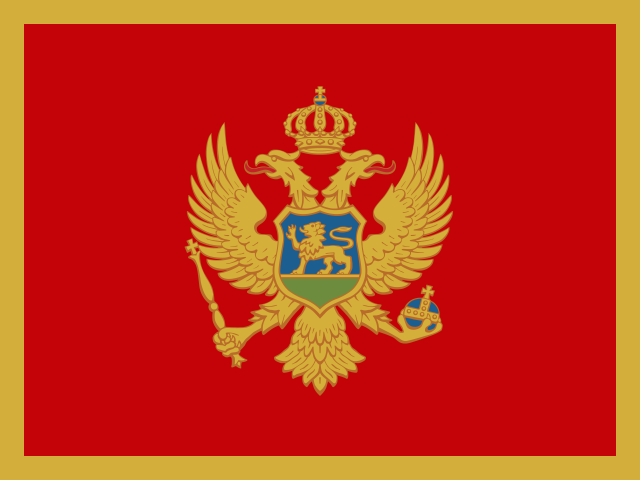
Montenegro EU accession is the variable every investor weighs when comparing Balkan jurisdictions: how close is membership, and what does the path mean for a company, a property and a residence status established in 2026? In short, Montenegro is the most advanced candidate in the region, it already uses the euro, and its company, tax and residence rules are converging with EU standards chapter by chapter. Below we translate that process into planning terms.
Where do Montenegro's EU accession talks stand in 2026?
Montenegro applied for membership in 2008 and opened accession negotiations in 2012. Every negotiating chapter is now open, and Montenegro has been closing chapters faster than any other Western Balkan candidate, with an official goal of completing negotiations in the second half of this decade. The European Union's own enlargement reports place Montenegro at the front of the queue year after year.
For planning, two structural facts weigh more than any target date:
- The euro is already the official currency, so no currency changeover lies ahead
- EU law is adopted before membership, chapter by chapter, which means company law, consumer rules, data protection and financial reporting already follow EU models
How does accession affect a Montenegrin company?
For a company registered in 2026, the accession path means gradual, predictable change rather than disruption:
| Area | Current position | Direction of alignment |
|---|---|---|
| Corporate income tax | 9% on profit up to €100,000, 12% and 15% above | Rates stay national; no EU-imposed change |
| VAT | 21% standard, 7% reduced | Rules move steadily closer to the EU VAT directive |
| Customs and trade | Free trade with the EU (SAA) and within CEFTA | Full customs union on membership |
| Company reporting | Montenegrin standards close to IFRS | Further convergence with EU accounting directives |
| Banking | Euro accounts, SEPA access through correspondent banks | Direct SEPA participation improves with alignment |
The planning conclusion: a structure built correctly today does not need to be rebuilt later. Our accounting service already prepares financial statements in a format accepted both by Montenegrin authorities and by EU-based partners and investors.
What does EU accession mean for residents of Montenegro?
Residence permits are national instruments and will remain so. What grows over time is the value of the residence years you accumulate:
- Temporary residence held through your company counts towards the five years required for permanent residence
- New rights on the day of membership go to permanent residents and citizens
- Investors who start that five-year clock in 2026 hold the strongest position when the timeline arrives
For that reason we treat the residence permit as a long-term asset to protect, not an annual formality: renew on time, keep your address registered and avoid absences that break continuity.
Will Montenegro remain a low-tax country inside the EU?
Corporate and personal income tax rates are decided by national parliaments. Ireland, Bulgaria, Hungary and Cyprus all combine EU membership with low corporate tax rates. Nothing in the accession process requires Montenegro to raise its 9% corporate tax, and the government has repeatedly presented the low rate as a growth policy. What accession does tighten is transparency, substance and reporting, which rewards companies with real activity and a local accountant over paper structures.
How should investors structure for the years before membership?
- Build the company on solid ground: accurate activity codes, a registered address and proper bookkeeping from the first month
- Start residence early: the five-year path to permanent residence begins with the first permit
- Keep records EU-ready: annual statements, contracts and invoices in a format that investors and EU partners accept
- Use the euro advantage today: invoice European clients and hold balances in the same currency, with no exchange risk
Our Investor Setup Package puts the structure, the bank accounts and the tax residency plan in place, and the accounting service keeps the third point in order month after month.
Montenegro and the EU: plan with a team that tracks every chapter
Accession news moves month by month, and the rules that matter to investors shift with each closed chapter. Share your plan and we set out what applies today and what is scheduled to change. The first consultation is free: message us on WhatsApp or request a call back.
By the MonteNext advisory team
Certified Montenegrin accountants, property advisers and investment consultants working in Podgorica since 2015. Each article applies the rules we use on client files.